


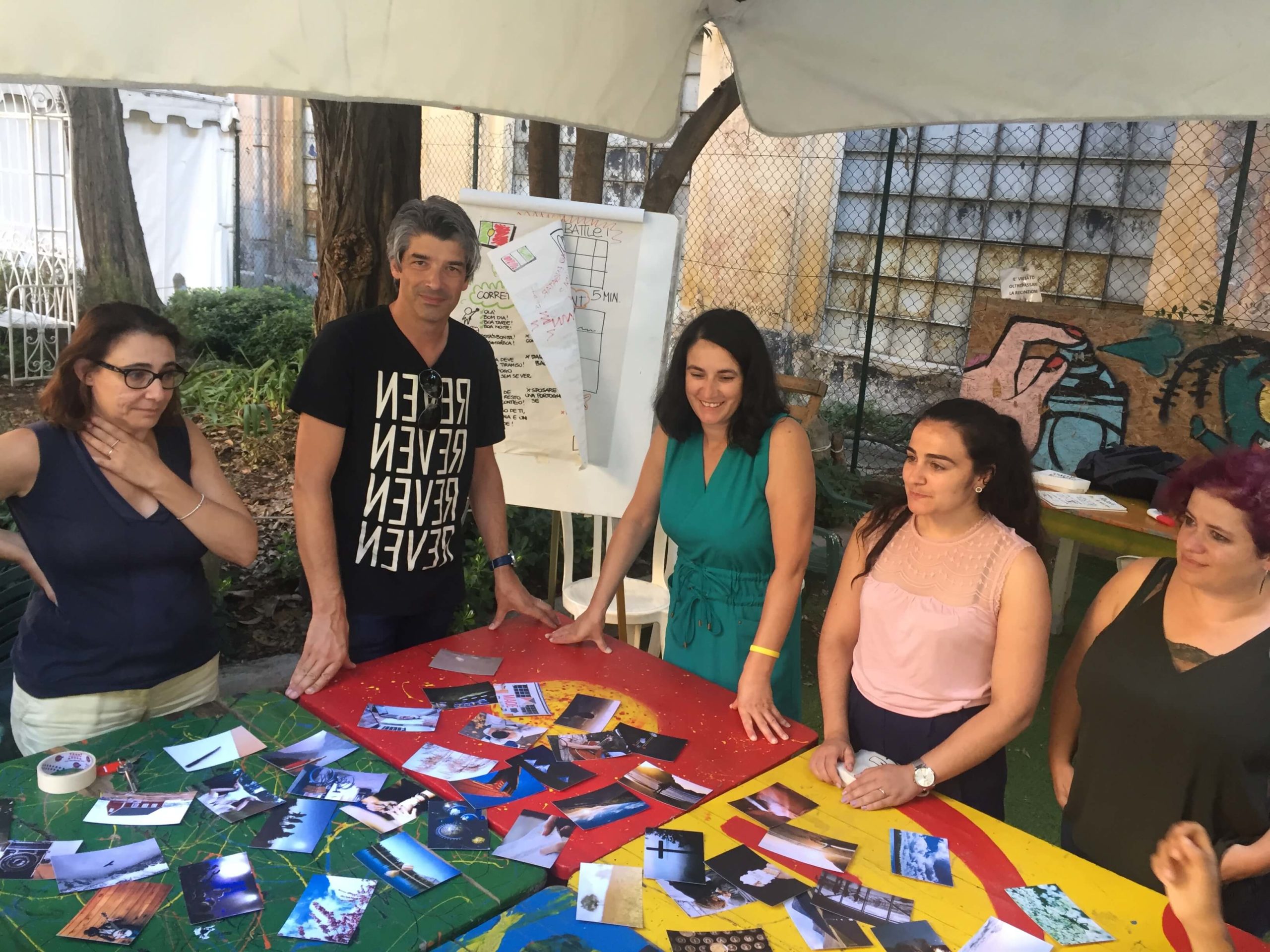
The new coop Librotondo training catalogue, dedicated to the staff of schools and adult education and training centres, was released a few days ago.
The Erasmus program offers a valuable opportunity to all people involved in education, training and education: through their organization (school, association, training centre) they can travel to all countries covered by the Erasmus program and study abroad.
All costs are covered by the program (if you don’t know how it works and you want more information, read our catalogue which you can download here. You will find our proposals, links to the program guide and a few tips for presenting a good quality application).
Attending a training course in another country is an innovative way to keep up to date and bring home a piece of Erasmus, to share with students and colleagues and, in the meantime, get to know new countries and cities.
We love the Erasmus program very much, it has given us some of the most significant experiences of our professional and personal lives. Whenever we can, we talk about Erasmus to everyone, especially to those who think it is still, like in the 90s, only for university students (basically, all the people we talk to).
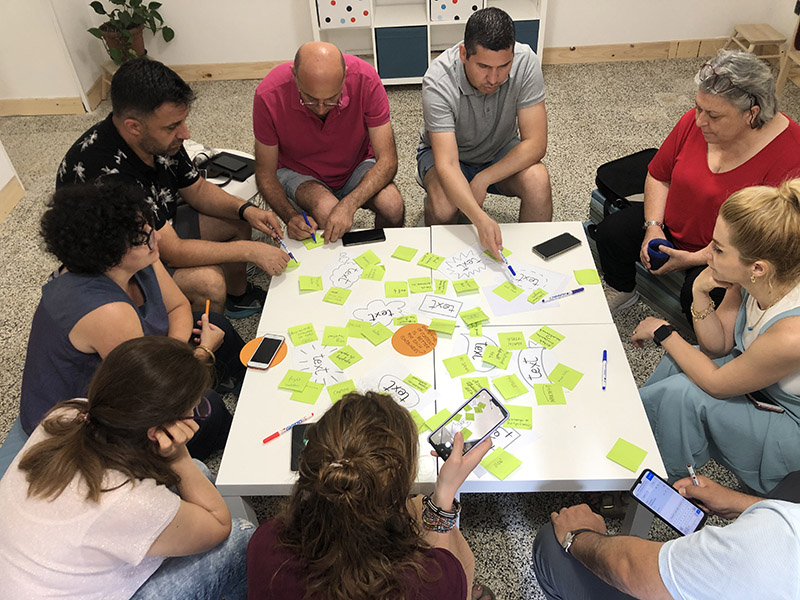
We started offering training courses for the school staff through the Erasmus program in 2018, with a course dedicated to graphic facilitation and sketchnoting which was attended by teachers and educators from Portugal, Turkey and Hungary.
These exciting experiences have prompted us to design new courses: a small catalogue of ready-made proposals and others that we are planning. All our training courses are connected to the work we do every day in Genoa with children, teenagers and teachers and we look forward to being able to share our skills with colleagues who come from all over Europe. Children’s books, visual thinking, environmental care, conflict and relationship education: all the themes of our work are now also available in the Erasmus version and we can’t wait to make them happen.
Reading the new Erasmus 2021-2027 priorities was very inspiring: we found many points of contact with our work. It means we are on the right track!
Have you read the new priorities? You can find them here.
Inclusion and diversity, are the pillars of our work and of the daily life of many Italian schools which, with so many problems, work every day to guarantee the right to study for children with disabilities and special educational needs. We work every day in a space and in a neighborhood where we try to offer cultural opportunities and proposals for those with few possibilities: we like that the new Erasmus program pays particular attention to these issues.
Digital transformation: in all our courses there is an online part, which also serves teachers and educators to learn how to use new collaborative digital tools for learning.
On this issue, at the neighborhood house we are carrying out a project dedicated to people over 70, whom we teach to use mobile phones and computers from scratch. It is a great satisfaction to see the progress they make and the skills they acquire in the use of technology. It’s a great way to make them feel less alone, keep their memory and cognitive skills in training and make new friends.
Environment and fight against climate change: caring for the environment is one of our main priorities. We are very happy that it is one of the central points of the new Erasmus+ programme. The space where the courses take place is all designed to respect the environment and consume few resources. The neighborhood house is an important point of reference for its environmental education activities dedicated to schools and families.
A large urban park has recently been inaugurated where for many years there was an abandoned barracks: the park near the house is a state of mind for us, which leads us to take even more care of environmental issues every day through actions educational for children and adults.
Participation in democratic life, common values and civic engagement: managing a public space is a daily exercise of active citizenship, a way to act (even with small daily gestures) and feel part of the community.
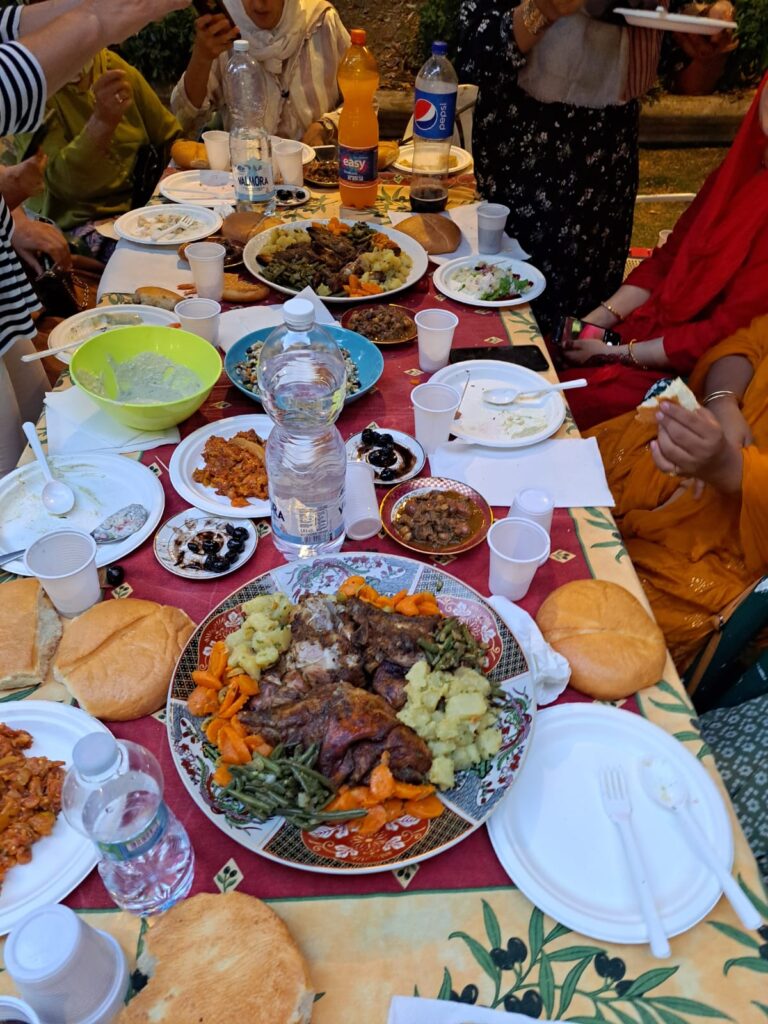
This happens, in our space and in our neighborhood, to a large group of people of many nationalities who have found an unexpected space for participation.
For them (and for us) being part of the community also means knowing the names of many people, keeping the park clean, and organizing a dinner in the square with neighbors or complete strangers. At the entrance of our space, we have hung a verse by the poet Yeats that we really like: “There are no strangers here, only friends that you haven’t met yet”.
We enjoy doing it every day, and we can’t wait for you to experience a week here, where no one is called a “foreigner”.
